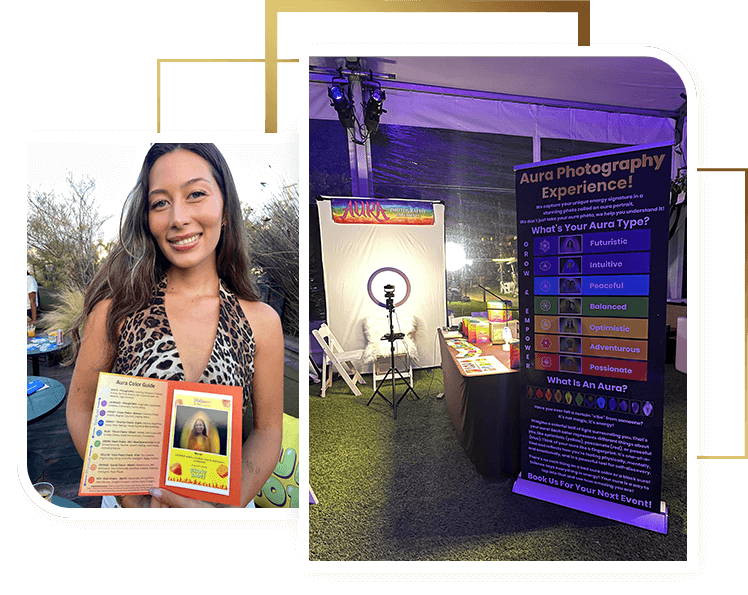
How to Plan Aura Photography for Events With Different Guest Flows and Engagement Goals
Planning a successful event requires more than filling a venue with activities. The best experiences give guests a reason to participate, interact, and remember the occasion. Aura photography can serve this purpose by combining individual portraits, color-based visual interpretations, and a shared social experience. To plan it effectively, organizers should match the booth location, guest interaction style, and staffing arrangements to the event’s audience and schedule. Hollywood Aura Photography helps event entertainment planners create an engaging activity that complements the main program rather than competing with it.
The right setup depends on how guests move through the venue and what organizers want them to gain from the experience. A corporate gathering may prioritize conversation and networking, while a private celebration may focus on personal expression and memorable keepsakes. Understanding these differences helps make aura photography for events a purposeful part of the occasion.
Start With the Guest Journey, Not Just the Booth
An aura photography booth should fit naturally into the event environment. Before selecting its location, map the guest journey from arrival to departure. Consider where people gather, which areas experience congestion, and when attendees have time to participate without missing important activities.
A booth placed directly beside registration may attract attention, but it can also obstruct incoming guests. A location near a lounge or social area may encourage longer interactions, while a quieter corner can suit attendees who prefer a more personal experience.
Think about three practical elements during venue planning:
- Visibility: Guests should recognize the activity from a distance without needing lengthy explanations.
- Accessibility: The setup should accommodate comfortable movement, including space for guests with mobility needs.
- Connection to the event: The booth should feel relevant to the occasion rather than like an unrelated attraction.
Organizers should also consider lighting conditions, electrical access, background noise, and privacy. If the experience includes a live interpretation or conversation about the resulting colors, a quieter location can improve the interaction.
Match the Setup to Different Guest Flows
Guest flow describes how people move through an event and how long they typically remain in each area. It directly affects participation, waiting, and the overall atmosphere around an activity.
For events with continuous guest movement
Networking receptions, product launches, and large social gatherings often have attendees arriving, leaving, and moving between conversations throughout the event. In these settings, the booth should be easy to approach and simple to understand.
Use clear signage that explains the basic experience, position the booth near a natural gathering point, and keep the entrance and exit unobstructed. Guests who are curious but have limited time should be able to understand what participation involves before joining.
An open layout can also help people observe the activity before deciding to take part. Watching another guest receive an aura portrait may generate interest without requiring a host to persuade every attendee individually.
For events with scheduled activities
Conferences, award ceremonies, and formal celebrations follow a more structured schedule. Guests may be occupied during presentations, speeches, or organized entertainment, leaving specific periods for informal interaction.
Position the booth near a designated networking lounge or reception area instead of placing it beside the main stage. Organizers can mention the experience during welcome announcements or include it in event signage so attendees know it is available.
Staff should monitor the program and be prepared for participation to increase during breaks. Keeping the immediate area organized helps prevent a queue from spilling into circulation routes or disrupting nearby activities.
For events centered on social interaction
Birthday celebrations, private parties, and social gatherings often encourage guests to participate together. Here, the booth can become a conversation point rather than simply a place to receive an individual portrait.
Friends may compare their images, discuss the colors they see, or take turns participating. Provide enough surrounding space for small groups to watch without crowding the person being photographed. This creates a more relaxed environment and encourages participation through shared curiosity.
Give the Experience a Clear Engagement Goal
An activity can attract attention without delivering the result an organizer wants. Before planning the booth, identify the specific outcome that matters most. This decision influences the layout, staff interaction, signage, and follow-up opportunities.
For corporate events, the goal may be to encourage networking between attendees who have not met. At a private celebration, it may be to create personal mementos and give guests something distinctive to discuss. At a brand activation, the objective could involve increasing awareness and encouraging visitors to spend time at a designated experience area.
Define the intended outcome using practical indicators, such as participation levels, guest feedback, conversations initiated, or voluntary sharing of portraits. These observations can help organizers assess the activity without assuming that every guest will participate or share personal information.
Turn curiosity into meaningful participation
Aura photography can attract attention because guests receive a visually distinctive portrait associated with an interpretation of colors. The interpretation should be presented as a creative or reflective experience, not as a scientifically established assessment of personality, emotions, or health.
Clear explanations help establish realistic expectations. Guests should understand what the process involves, what they will receive, and how their images may be used. This is especially relevant at corporate events, where attendees may have different comfort levels around photography and sharing personal images.
Choose the Right Interaction Style for the Occasion
The structure of the experience should reflect the audience’s expectations. A highly social event can support group conversations, while a professional gathering may benefit from shorter, more focused interactions.
For a corporate reception, staff can introduce the process, guide the participant through the session, and invite conversation afterward without pressuring guests to disclose personal details. For a celebration, the interaction can feel more informal, allowing guests to compare portraits and share reactions with friends.
Hollywood Aura Photography can be incorporated into the wider event plan by coordinating the booth experience with the event’s theme, guest journey, and intended atmosphere. Organizers should agree on the interaction style in advance so that signage, staff communication, and the physical setup all support the same objective.
A well-managed experience also needs a clear participation process. Guests should know where to begin, how to wait, and where to collect or view their portraits. Simple instructions reduce confusion and allow staff to focus on the people participating rather than repeatedly explaining logistics.
Make the Booth Part of the Event Story
The booth’s appearance and messaging should complement the event instead of competing with its visual identity. A corporate activation might use restrained branding and clean signage, while a private celebration could incorporate colors and decorative elements that match the occasion.
The surrounding space matters just as much. Keep the photography area visually organized, provide a suitable background, and avoid placing unrelated displays too close to the booth. A cluttered setup can make portraits less appealing and distract guests from the experience.
Organizers should also decide how the booth connects with the event’s other activities. At a networking event, it might sit near a lounge where conversations continue naturally. At a celebration, it could complement a photo area or social gathering space. The goal is to create a natural connection without forcing guests to move away from activities they already enjoy.
Manage Participation, Privacy, and Accessibility
Good planning includes the guests who may prefer not to participate. The booth should invite interest without making photography feel compulsory, particularly at work-related events where attendees may feel pressure to join activities organized by their employer.
Consider the following operational details:
- Consent and image handling: Explain how portraits are captured, stored, displayed, and shared. Obtain appropriate permission before using guest images for promotional purposes.
- Queue management: Assign a staff member to guide waiting guests during busy periods and keep walkways clear.
- Inclusive access: Allow adequate room for movement, provide understandable instructions, and make reasonable arrangements for guests who need assistance.
These details contribute to a more considerate experience. They also help organizers maintain the flow of the event without treating participation as a requirement.
Measure What Worked After the Event
Evaluating the booth should involve more than counting the number of portraits produced. Participation figures can show how many guests used the activity, but feedback and observations reveal why it worked or where improvements are needed.
For example, organizers can note whether the location encouraged spontaneous visits, whether guests understood the process, and whether queues interfered with nearby activities. Brief feedback from attendees and event staff can reveal practical adjustments for future occasions.
If the primary objective was networking, organizers can assess whether the booth created opportunities for new conversations. If the goal was guest enjoyment, comments about the experience and voluntary sharing of portraits may provide useful signals. For a brand activation, permitted engagement data and feedback can help assess the activity’s relevance to the wider campaign.
Use these findings to improve placement, communication, staffing, and guest flow at future events. The most useful evaluation connects the activity to its original objective instead of relying on a single participation number.
Make Every Guest Interaction Count
A successful aura photography experience starts with a clear understanding of the audience, the venue, and the purpose of the event. A booth designed for continuous guest movement needs a different layout from one serving a structured conference or an intimate celebration. Aligning its placement, interaction style, and operating arrangements with those differences helps the activity fit naturally into the occasion.
If you are planning an upcoming event and want to make aura photography part of a more engaging guest experience, get in touch with us at Hollywood Aura Photography. We can help you consider how the booth can complement your event format, audience, and engagement goals.
For planners considering distinctive party entertainment, aura photography offers a visual experience that can encourage conversation while giving guests a personal memento. The strongest results come from thoughtful preparation, clear communication, and respect for each attendee’s preferences.